Browse all Counter-Strike 2 cases.
Recoil Case
Released Jul 1, 2022
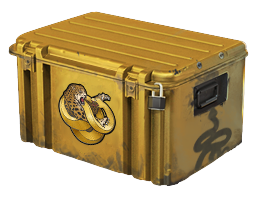
Snakebite Case
Released May 3, 2021
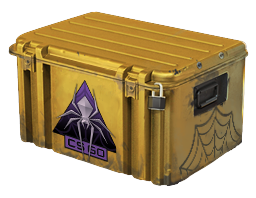
Fracture Case
Released Aug 7, 2020
Prisma 2 Case
Released Apr 1, 2020
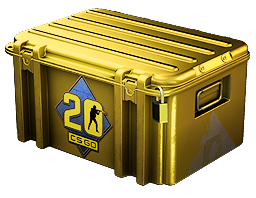
CS20 Case
Released Oct 18, 2019
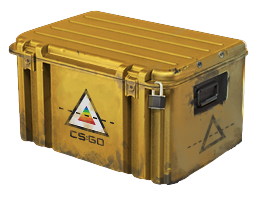
Prisma Case
Released Mar 13, 2019
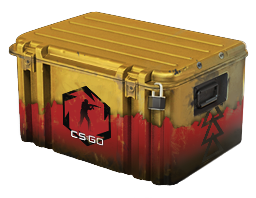
Danger Zone Case
Released Dec 6, 2018
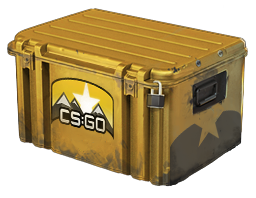
Horizon Case
Released Aug 2, 2018
Clutch Case
Released Feb 15, 2018
Spectrum 2 Case
Released Sep 15, 2017
Operation Hydra Case
Released May 23, 2017
Spectrum Case
Released Mar 15, 2017
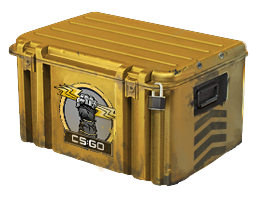
Glove Case
Released Nov 28, 2016
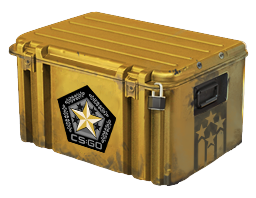
Gamma 2 Case
Released Aug 18, 2016
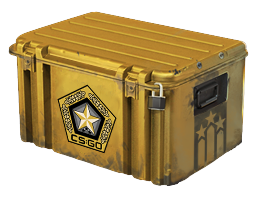
Gamma Case
Released Jun 15, 2016
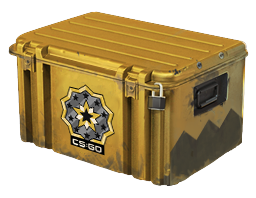
Chroma 3 Case
Released Apr 27, 2016
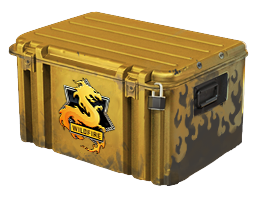
Operation Wildfire Case
Released Feb 17, 2016
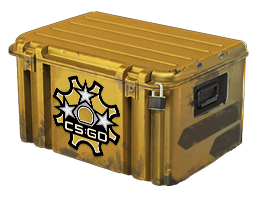
Revolver Case
Released Dec 8, 2015
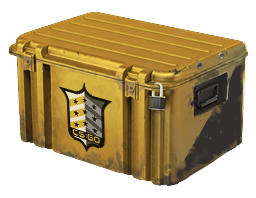
Shadow Case
Released Sep 17, 2015
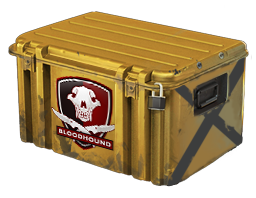
Falchion Case
Released May 26, 2015
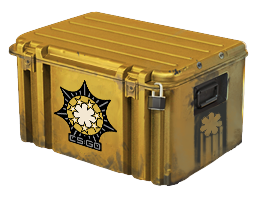
Chroma 2 Case
Released Apr 15, 2015
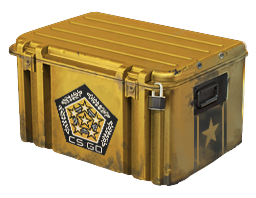
Chroma Case
Released Jan 8, 2015
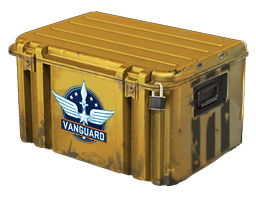
Operation Vanguard Weapon Case
Released Nov 11, 2014
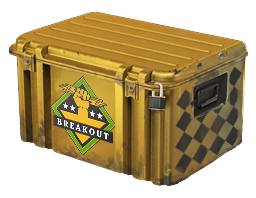
Operation Breakout Weapon Case
Released Jul 1, 2014
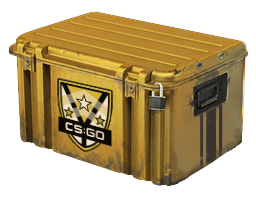
Huntsman Weapon Case
Released May 1, 2014
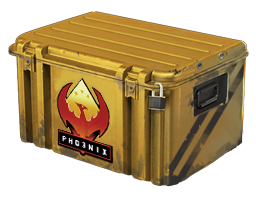
Operation Phoenix Weapon Case
Released Feb 20, 2014
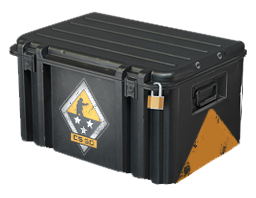
CS:GO Weapon Case 3
Released Feb 12, 2014
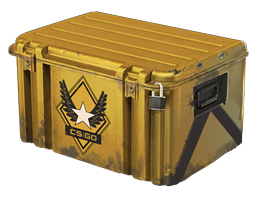
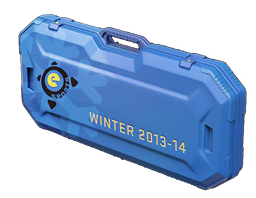
Winter Offensive Weapon Case
Released Dec 18, 2013
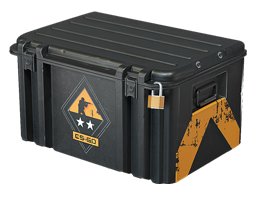
CS:GO Weapon Case 2
Released Nov 6, 2013
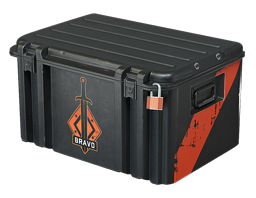
Operation Bravo Case
Released Sep 19, 2013
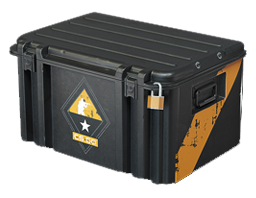
CS:GO Weapon Case
Released Aug 14, 2013
CS2 case guide
Skinbase currently organizes 44 supported CS2 cases and case-like containers in one searchable catalog. Use it to distinguish weekly drops, Armory-exclusive releases, discontinued cases, and other containers before opening a detail page to inspect the item pool and current marketplace data.
A CS2 case is a tradable Counter-Strike 2 container associated with a defined pool of weapon finishes and, for many cases, a rare special-item pool containing knives or gloves. Traditional weapon cases require a key to open. For ROI calculations, Skinbase treats the total opening cost as the current case price plus the fixed $2.50 key cost.
The case itself and every possible result are separate market items. Their prices vary by marketplace, while an unboxed skin can also vary by wear, StatTrak status, pattern, or phase. A case detail page keeps those relationships together so you can review the exact contents instead of judging a case only by its name or purchase price. Terminals and other supported container types may use different acquisition or opening mechanics, which are reflected by their own catalog entries.
A useful comparison considers more than the cheapest listing. Check how the container is obtained, what it can contain, and how the value of those outcomes compares with the complete opening cost.
Compare those opening metrics with the , then review provider fees and trading models in the .
Common questions about CS2 cases and their contents.